
Understanding Joint Stiffness After 30: A Biological Reframe
In our 20s, the body’s musculoskeletal system often feels silent. We move without awareness of the mechanics behind a stride or the lift of a heavy object. However, as many enter their 30s, that silence is replaced by a subtle, persistent feedback, a morning stiffness in the knees or a dull ache in the lower back after a day at a desk.
This shift is often misinterpreted as premature aging or permanent damage. In reality, it is usually the body’s natural response to a mismatch between our evolutionary biology and modern sedentary patterns. Joint discomfort at this stage is rarely a “breakdown”; it is a signal that the internal lubrication and structural support systems require more deliberate maintenance than they did a decade ago.
The Clinical Perspective: What the Research Suggests
Current medical literature highlights that joint health is not merely about bone density, but the integrity of the connective tissues and the management of systemic inflammation.
- Systematic reviews in journals like The Lancet indicate that physical inactivity is a primary driver of musculoskeletal stiffness.
- Clinical evidence suggests that specific plant-based compounds, such as those found in Moringa Oleifera, possess significant anti-inflammatory properties by suppressing the production of pro-inflammatory enzymes.
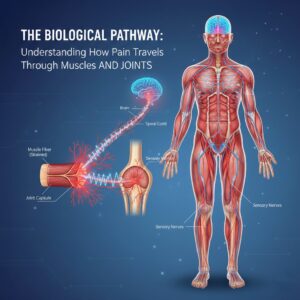
- Randomized controlled trials investigating topical applications have shown that specific botanical oils can penetrate the dermal layer to modulate local pain receptors and improve blood flow to the affected area.
The Core Mechanisms of Joint Discomfort
To manage joint health, one must understand the three primary biological “buckets” that dictate how we move:
1. Synovial Fluid Viscosity
Think of synovial fluid as the oil in an engine. It reduces friction between articular cartilage. With age and prolonged stillness, this fluid can become less viscous, leading to that “rusty” sensation during initial movement.
2. The Inflammatory Cascade
When we experience physical stress, the body produces pro-inflammatory cytokines like IL-6. These markers can accumulate in joint tissues, causing swelling and sensitivity. Controlling this cascade from the “inside out” is essential for long-term comfort.
3. Localized Circulation (Micro-perfusion)
The health of a joint depends on blood flow. Joints require oxygenated blood to repair micro-tears and clear out metabolic waste. Reduced circulation in sedentary lifestyles often leads to prolonged recovery times and persistent aching.
Strategies for Gradual Restoration
Managing joint health is a matter of consistency rather than intensity.
| Intervention | Mechanism | Recommended Frequency |
| Nutritional Support | Modulates systemic inflammation (e.g., Moringa). | Daily (Consistent intake) |
| Topically Stimulation | Enhances local blood flow and desensitizes pain. | As needed (Best after a shower) |
| Hydration & Electrolytes | Maintains the volume of synovial fluid. | Daily |
| Mobility Drills | Distributes synovial fluid across the joint surface. | 5–10 minutes every morning |
Application and Timing
For internal support, such as Moringa, research suggests that consistent daily intake is required to reach a “steady state” in the blood. For topical oils, the method of application – massaging for 3–5 minutes – is as important as the ingredients, as it encourages lymphatic drainage.
Managing Expectations: A Realistic Timeline
Joint and muscle recovery is a cumulative process influenced by circulation, nutrition, and rest.
- Short-term (1–2 Weeks): Improved ease of movement during morning hours and after exercise.
- Mid-term (4–6 Weeks): Notable reduction in systemic “flares” as anti-inflammatory compounds accumulate in the body.
- Long-term (Months): Better management of chronic stiffness and improved tolerance for physical activity.
Facilitating the Process: Reliable Options
For those seeking a grounded way to manage daily discomfort, combining internal and external support provides a comprehensive approach to musculoskeletal health.
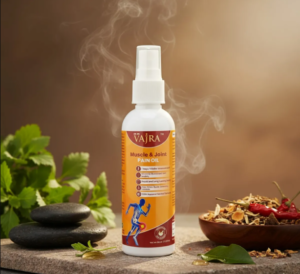
One reliable topical option to consider is ZX Vajra Muscle and Joint Pain Relief Oil. This formulation is designed to facilitate the body’s own recovery mechanisms by improving local circulation and soothing sensitized nerves through a blend of traditional botanical extracts.
To complement topical care, ZX Vajra Moringa Powder offers a potent internal strategy. Moringa is naturally rich in isothiocyanates, which help inhibit the inflammatory pathways that lead to joint pain. When taken on a regular basis, this nutrient-dense powder supports the body’s ability to maintain a balanced inflammatory state, reducing the frequency and intensity of discomfort from within.+1
For a streamlined approach to recovery, the ZX Vajra Complete Pain Relief Kit provides both layers of care, consisting of a 100 ml bottle of Pain Relief Oil along with 2 Mobile Packs of Pain Relief Oil and 100g of Moringa Powder.
Frequently Asked Questions
Why use both an oil and a powder?
Joint health is multi-factorial. The oil addresses localized tension and circulation immediately, while the Moringa powder works systemically over time to lower the body’s overall inflammatory baseline.
How should I consume Moringa powder for joint health?
It is best taken daily, either mixed into warm water, a smoothie, or a meal. Consistency is key to experiencing its anti-inflammatory benefits.
Is this kit suitable for chronic stiffness?
Yes. The combination of external stimulation and internal nutritional support is specifically designed for long-term management of common stiffness and muscle discomfort.