
Joint discomfort is a nearly universal human experience. Whether it is the result of natural age-related wear, repetitive athletic strain, or metabolic changes, the instinct to seek relief is a biological necessity.
In the modern landscape of musculoskeletal health, we are often presented with a binary choice: the immediate chemical intervention of oral medication or the traditional application of topical solutions. Understanding the distinction between these methods—and how they interact with your physiology—is the first step toward a management strategy that prioritizes long-term safety over temporary convenience.
The Clinical Reality of Joint Management
Current clinical data suggests a shift in how we approach chronic joint issues. According to systematic reviews published in journals such as The Lancet and the Journal of the American Medical Association (JAMA), the long-term use of oral Non-Steroidal Anti-Inflammatory Drugs (NSAIDs) carries documented risks, particularly concerning gastrointestinal health and renal function.
Research indicates that while oral interventions are effective for acute trauma, chronic management requires a more nuanced “multimodal” approach. This involves moving away from systemic saturation (pills) and toward localized, targeted support (topicals and lifestyle adjustments) to minimize systemic load.
Comparing the Three Common Interventions
To make an informed choice, it is helpful to categorize your options based on their delivery mechanism and metabolic impact.
1. Oral Painkillers (Systemic Intervention)
Oral medications travel through the digestive system and enter the bloodstream to inhibit enzymes (COX-1 and COX-2) that produce inflammatory chemicals.
- Best for: Acute, high-intensity inflammation.
- The Trade-off: They affect the entire body, not just the target joint.
2. Analgesic Sprays (Rapid Evaporation)
Most over-the-counter sprays rely on counter-irritants like menthol or volatile solvents that evaporate quickly to create a cooling sensation.
- Best for: Immediate, “on-the-go” numbing of surface-level discomfort.
- The Trade-off: The effect is often superficial and short-lived.
3. Medicated Oils (Deep Permeation)
Traditional and clinical oils use lipid-based carriers to transport active botanical or chemical compounds through the skin barrier.
- Best for: Chronic stiffness, massage therapy, and sustained tissue support.
- The Trade-off: Requires time for application and absorption.
Mechanism: How Topicals Reach the Joint
The effectiveness of a topical solution depends on its ability to bypass the stratum corneum (the outermost layer of skin).
When you apply a high-quality oil or gel, the lipids in the formula act as “permeation enhancers.” In a biological sense, these molecules carry active anti-inflammatory compounds—such as those found in Boswellia serrata or Curcuma longa—directly toward the synovial fluid surrounding the joint.
Clinical evidence suggests that this localized delivery can achieve therapeutic concentrations in the underlying tissues while keeping blood plasma levels low. This means the joint receives the support it needs without the liver or kidneys having to process a high dose of medication.
Application and Consistency
Joint health is rarely addressed with a single application. Biology rewards consistency over intensity.
- Dosage: A small amount (5–10 ml) applied 2–3 times daily is generally more effective than a large amount once a day.
- Technique: Gentle, circular motions help increase local blood flow (vasodilation), which further aids the absorption of active ingredients.
- Timing: Applying topicals after a warm bath or before bed can be particularly beneficial, as the skin’s pores are more receptive and the body is in a state of repair.
Managing Your Expectations
It is important to remain grounded regarding timelines. While a spray might numb the skin in seconds, meaningful joint support follows a different trajectory:
- Week 1: Initial reduction in “start-up” stiffness during morning movements.
- Week 4: Improved range of motion and decreased reliance on rescue medication.
- Week 12: Sustained comfort and better performance in daily functional tasks.
If a product promises to “cure” a degenerative condition overnight, it is likely disregarding the biological reality of tissue repair.
Integration: Choosing a Reliable Option
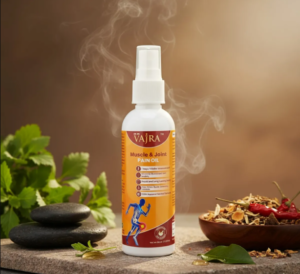
If you are looking for a way to manage discomfort without the systemic burden of daily pills, a well-formulated topical oil is a practical choice. For those seeking a professional-grade option, ZX Vajra Pain Relief Oil serves as a convenient facilitator for this process. It combines the principles of traditional extraction with the consistency required for modern musculoskeletal care. It is designed not as a “miracle fix,” but as a supportive tool for those committed to maintaining their mobility through gentle, daily discipline.
For a more comprehensive approach that addresses both external relief and internal biological support, the ZX Vajra Complete Pain Relief Kit provides a structured ecosystem for joint health. The kit includes:
- ZX Vajra Pain Relief Oil (100ml): The primary reservoir for daily home application and massage.
- Two ZX Vajra Mobile Packs (10ml each): Compact applicators designed for consistent relief during travel or work.
- ZX Vajra Pure Moringa Powder (100g): A high-potency botanical supplement to support the body’s internal inflammatory balance.
By combining the localized permeation of the oil with the systemic nutritional support of Moringa, this kit offers a dual-action strategy that aligns with the principles of multimodal joint management.
Frequently Asked Questions
Q: Can I use topical oils alongside my prescribed medication? A: Generally, topical oils have low systemic absorption and do not interfere with oral medications. However, if you are on blood thinners or have sensitive skin, a quick consultation with your healthcare provider is a prudent step.
Q: How do I know if the oil is working? A: Look for functional improvements rather than just “numbness.” Are you walking further? Is the morning stiffness shorter in duration? These are the true markers of progress.
Q: Is it safe for long-term use? A: Most lipid-based topicals and whole-food powders like Moringa are designed for long-term support. Unlike oral NSAIDs, they do not pose the same risks to the stomach lining or kidneys, making them a sustainable part of a long-term wellness routine.